
How eTender and e-Docs are coming together to create a connected Source-to-Pay platform, combining procurement, document management, Microsoft technology, and AI agents for global markets.
Building on experience to solve a broader problem
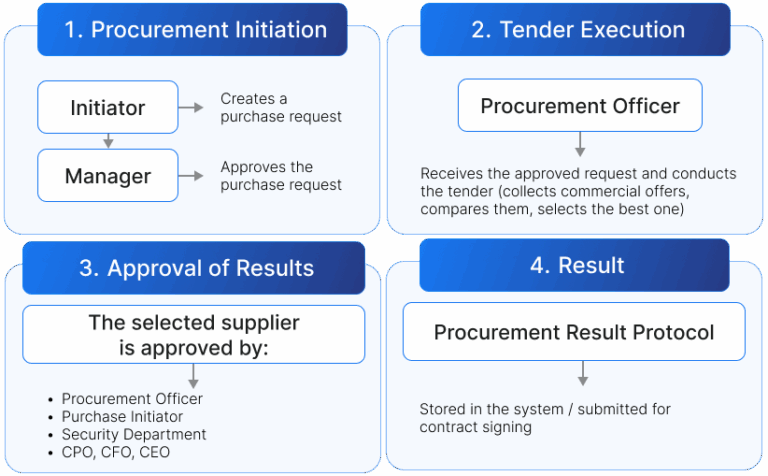
Procurement is one of the few business functions that touches almost every part of an organization. It connects internal demand, supplier selection, commercial negotiations, contracts, purchasing, and invoice verification.
Yet these activities are often managed across disconnected systems. Procurement teams switch between sourcing tools, spreadsheets, contract repositories, email, and financial systems. Information must be reviewed repeatedly, discrepancies can go unnoticed, and decision-makers lack a consistent view of the entire purchasing process.
eTender is addressing this challenge by bringing procurement activities together in a connected Source-to-Pay solution.
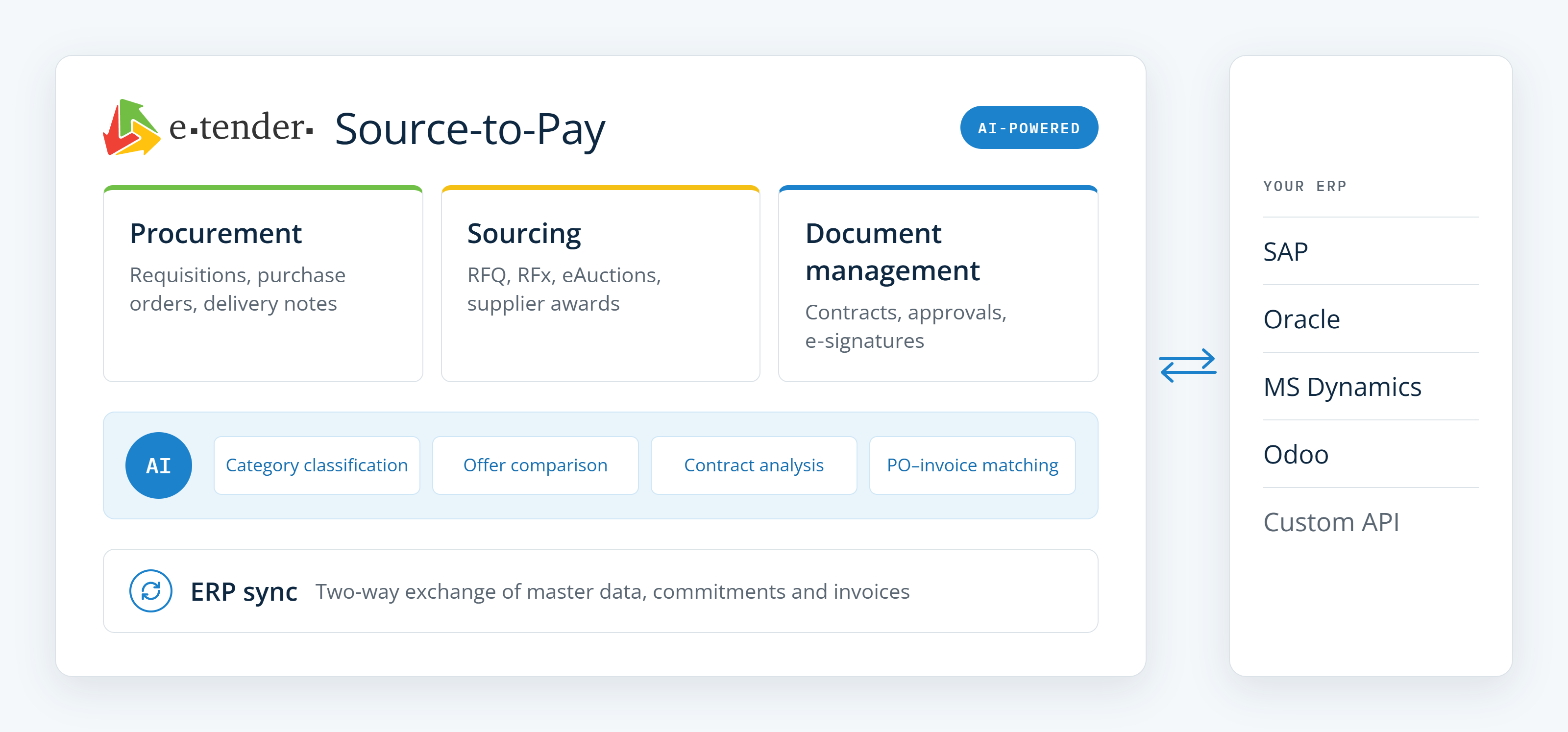
The product builds on the experience of two established offerings: eTender, focused on procurement and sourcing, and e-Docs, focused on document and contract management. Combining their complementary capabilities creates an opportunity to connect supplier selection and purchasing decisions with the contracts and documents that support them.
Rather than starting from scratch, the company is bringing together existing product experience and procurement expertise to develop a broader solution for international markets.
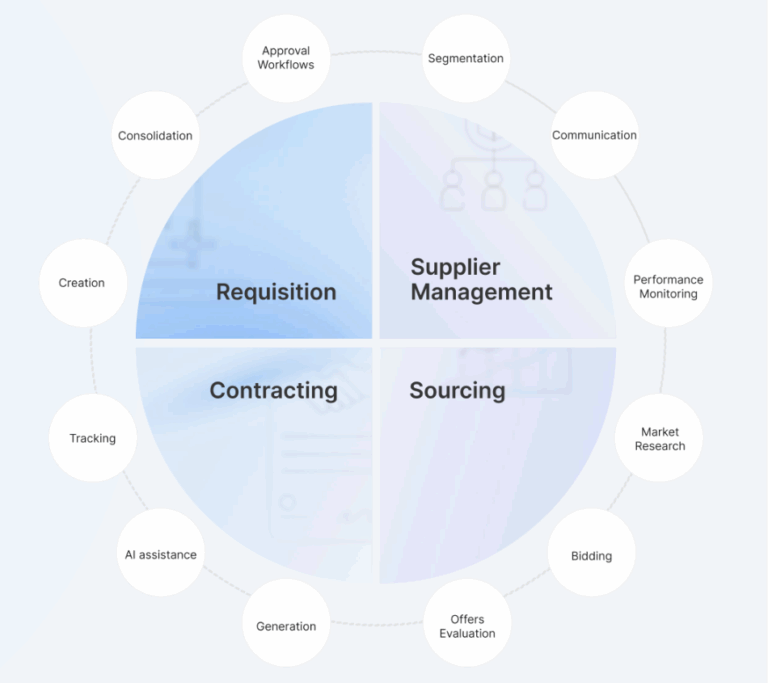
The ambition is to help organizations manage the purchasing journey from the initial request and supplier evaluation through contract execution, purchase orders, and invoice verification.
From two established products to one connected platform
The combination of eTender and e-Docs reflects a broader shift in enterprise software: customers increasingly need connected business processes rather than isolated applications.
eTender provides procurement and sourcing capabilities, including tender management, supplier evaluation, and competitive purchasing workflows. e-Docs contributes document management and contract lifecycle capabilities, helping organizations manage the information and obligations associated with business transactions.
Together, these capabilities form the foundation for a more complete Source-to-Pay proposition.
This approach builds on experience gained in the Ukrainian market, where the products have served organizations with complex operational requirements. The next step is to bring that experience to a wider international audience with a solution designed around the needs of procurement, sourcing, purchasing, and finance teams.
The product’s development is driven by a practical objective: reduce repetitive work, connect information across the purchasing process, and help organizations make decisions based on consistent, accessible data.
Customer experience that informs the product’s evolution
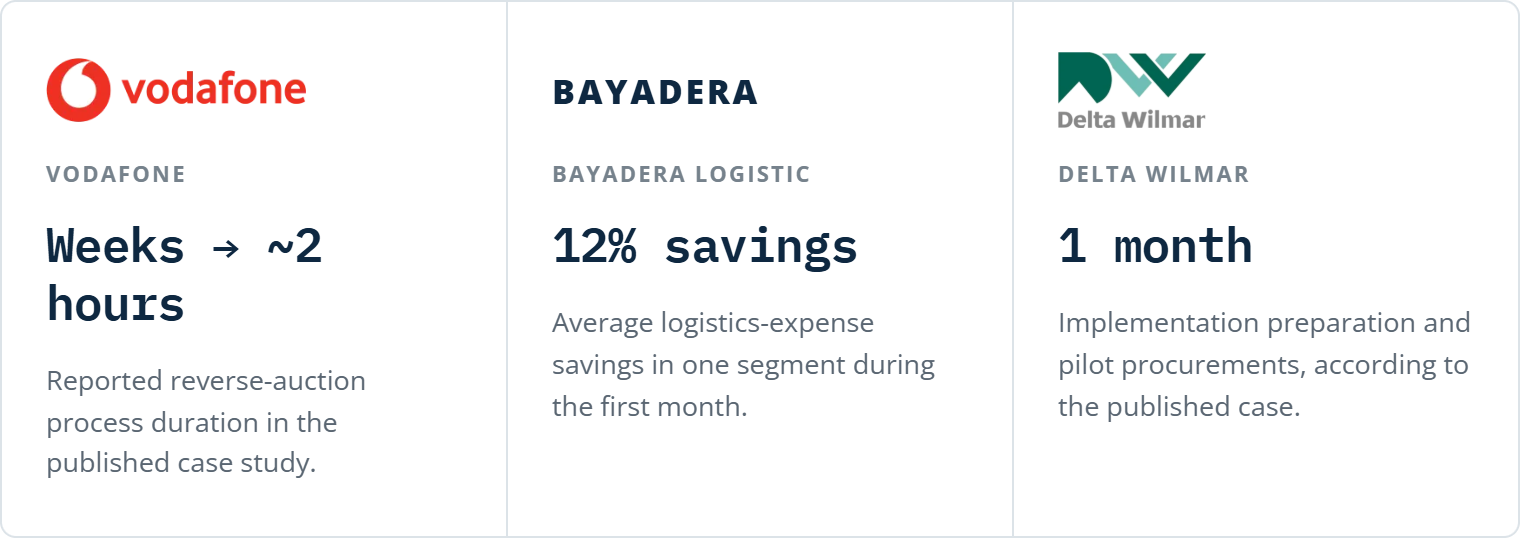
eTender’s product direction builds on experience with organizations facing different procurement challenges across industries.
Vodafone Ukraine: From digital sourcing toward AI-assisted procurement
Vodafone Ukraine’s collaboration with eTender demonstrates how digital sourcing can improve transparency, supplier competition, and the efficiency of procurement operations.
The published case study describes a collaboration spanning 18 months and a sourcing environment with access to more than 100,000 suppliers. Reverse auctions that could previously take weeks can be completed in approximately two hours.
The next stage of the collaboration includes plans for deeper ERP integration and AI-assisted document analysis, technical evaluation support, and bid comparison.
This is particularly relevant to eTender’s product evolution. Once sourcing processes are digitized and supplier information is structured, AI can help procurement teams analyze documents, compare offers, and identify issues more efficiently.
The Vodafone experience illustrates the transition from automating procurement workflows toward supporting the decisions made within them.
Read the Vodafone Ukraine case study →
Delta Wilmar Ukraine: Digitalizing complex manufacturing procurement
Delta Wilmar Ukraine, part of Wilmar International, needed a more structured approach to procurement across its organization.
The eTender implementation focused on centralizing procurement activities, coordinating stakeholders, and improving transparency across purchasing processes.
The implementation preparation and pilot procurements were completed in one month. The case demonstrates the importance of adapting procurement technology to complex manufacturing environments, where purchasing decisions involve technical, commercial, and financial stakeholders.
Experience from such implementations helps inform a product designed to accommodate different organizational structures without imposing a rigid, one-size-fits-all process.
Read the Delta Wilmar case study →
Bayadera Logistic: Demonstrating measurable purchasing value
Bayadera Logistic operates 26 logistics centers and relies on external carriers to support its distribution network.
The company used eTender to introduce structured procurement for transportation services, improve carrier selection, and create a more transparent process for comparing offers.
The platform was launched within two weeks. In the first month, Bayadera reported average savings of 12% on logistics expenses in one segment.
This case demonstrates how procurement technology can translate process improvements into measurable commercial outcomes.
Read the Bayadera Logistic case study →
Across these implementations, a consistent lesson emerges: procurement software must address real operating challenges and produce outcomes that organizations can observe. That experience provides a foundation for the next stage of product development.
How eTender applies Microsoft technology to Source-to-Pay
The new eTender proposition is built on Microsoft Azure, providing a cloud foundation for delivering procurement capabilities to business customers.
As the company develops a more connected Source-to-Pay solution, the opportunity is to combine cloud infrastructure, business workflows, document processing, and AI-assisted analysis in a single operational environment.
This matters because procurement information is rarely useful in isolation. A supplier quotation must be evaluated against a requirement. A contract must be understood in the context of the purchasing decision. An invoice must be checked against the corresponding purchase order.
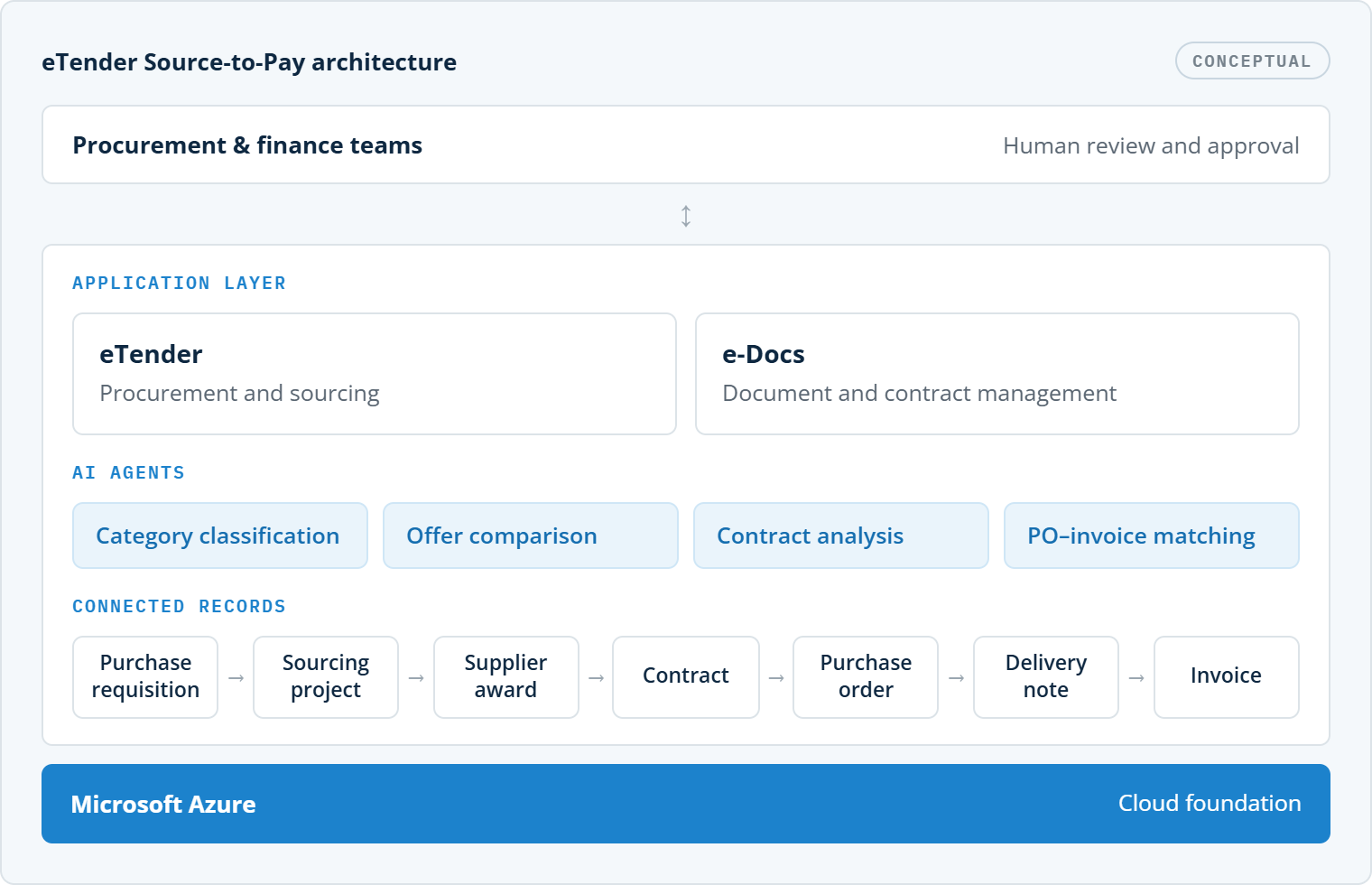
A connected platform can bring these activities together, making relevant information available where decisions and controls are needed.
Microsoft technology supports the foundation for this direction, while AI offers opportunities to reduce repetitive work and help teams process procurement information more consistently.
The next stage is to demonstrate how specific Azure services support individual AI workflows, connecting the technical architecture to clear business outcomes.
Introducing eTender AI Agents
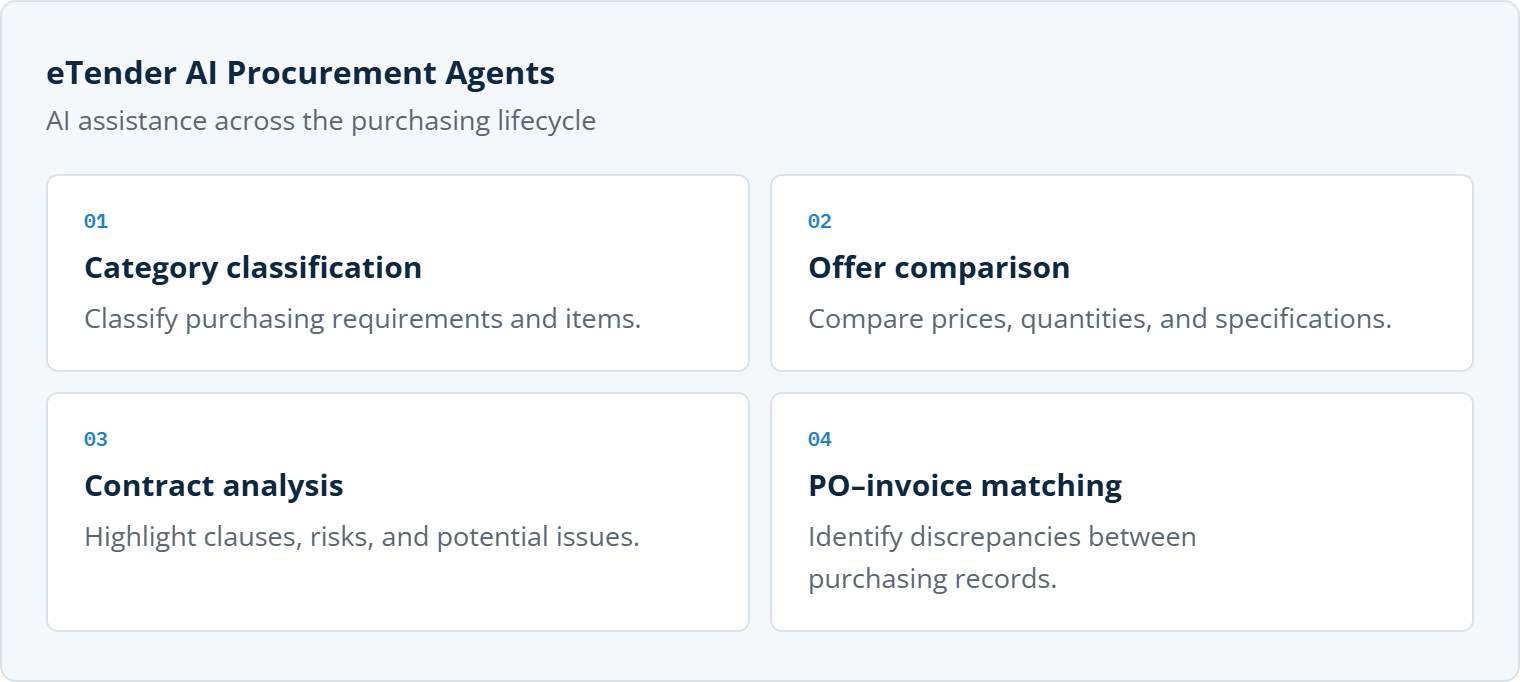
Building on its procurement and document-management capabilities, eTender is developing AI agents designed to support routine procurement work.
Rather than positioning AI as a general-purpose assistant, eTender focuses on tasks that procurement and finance teams perform repeatedly and where consistent data and careful review matter.
The AI agents are designed around four practical use cases.
Procurement Category Classification
The agent identifies an appropriate procurement category based on purchasing requirements and item descriptions. This can help teams classify purchasing needs more consistently and support category management, including CPV classification where applicable.
Supplier Offer Comparison
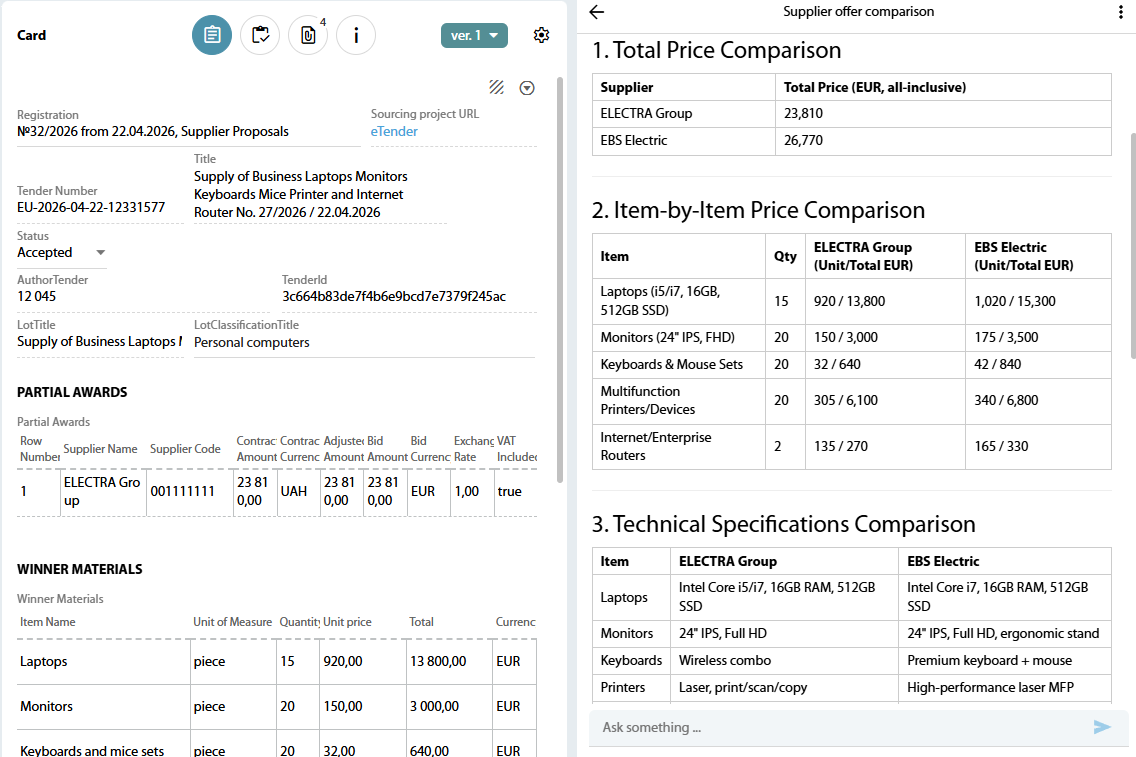
The agent compares supplier quotations, including prices, quantities, and technical specifications, helping buyers evaluate offers against defined requirements.
By bringing relevant information into a consistent comparison, the agent can help identify differences, missing information, and points that require further review.
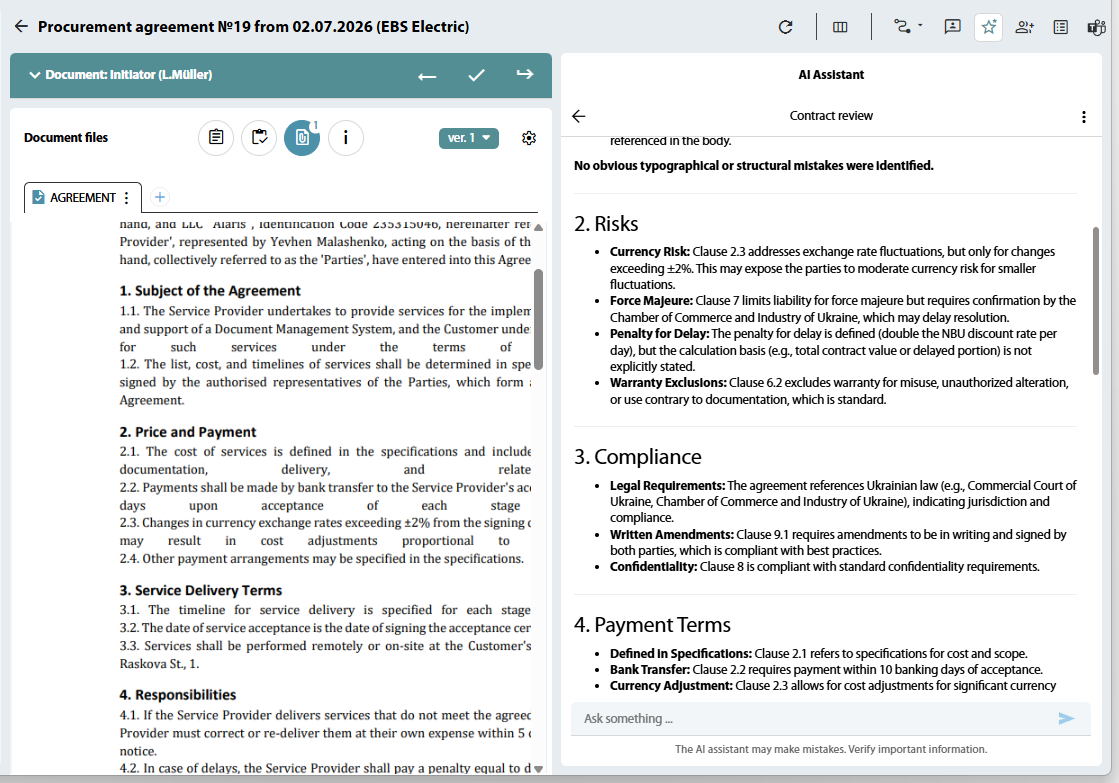
Contract Analysis
The agent reviews procurement contracts and highlights important clauses, potential risks, and issues that may need attention.
This supports contract review by helping users focus on relevant terms and deviations while retaining human responsibility for legal and commercial decisions.
Purchase Order and Invoice Matching
The agent compares purchase orders with invoices, checks whether key information matches, and identifies discrepancies for investigation.
This helps connect procurement decisions with downstream financial controls, supporting the identification of errors before they progress through the payment process.
Together, these agents address recurring activities across sourcing, supplier evaluation, contract management, and purchasing controls.
Their purpose is to reduce repetitive manual effort, make information easier to compare, and help procurement and finance teams identify potential issues earlier.
The broader ambition is to make AI useful within everyday business processes, rather than adding another disconnected tool to an already fragmented technology environment.
Why the combination matters
The combination of eTender and e-Docs creates an opportunity to connect procurement decisions with the documents, contracts, and purchasing records that support them.
The AI agents extend that proposition by helping users work with information across the connected process.
For example, category classification can help structure a purchasing request. Offer comparison can support supplier selection. Contract analysis can help identify issues before an agreement is finalized. Purchase order and invoice matching can then help verify that the resulting transaction is consistent.
These activities are linked parts of a purchasing process rather than independent automation tasks.
This is the direction behind eTender’s Source-to-Pay proposition: a connected environment in which procurement workflows, business documents, and AI-assisted analysis work together to support more consistent decisions.
How Microsoft for Startups enabled this journey
Bringing together established procurement and document management products into a global Source-to-Pay solution requires more than product expertise. It requires the cloud infrastructure to develop and test new capabilities, technical guidance to make sound architectural decisions, and support as the product moves toward international markets.
Microsoft for Startups is helping eTender take this next step by providing access to Azure credits, additional startup benefits, and coaching. These resources support the team as it develops the combined platform and explores how AI can address practical challenges across procurement and finance.
Azure provides the cloud foundation for the product, while the program’s resources and guidance help the team move forward with its development priorities. This is particularly relevant as eTender builds and refines AI agents for procurement classification, supplier offer comparison, contract analysis, and purchase order–invoice matching.
For eTender, the value of Microsoft for Startups lies in the combination of technology resources and guidance at a stage when the company is bringing together its existing products, expanding its international ambitions, and turning its procurement experience into new AI-powered capabilities.
The team is now focused on making these capabilities useful in everyday business operations: reducing repetitive manual work, helping users work with consistent information, and identifying discrepancies before they become larger problems.
With the support of Microsoft for Startups, eTender is continuing to develop its Source-to-Pay proposition, building on established products and customer experience while preparing for the next stage of international growth.
The next chapter: A connected, AI-assisted Source-to-Pay platform
eTender’s evolution reflects a broader change in enterprise software.
Organizations no longer want to digitize each step of a business process independently. They want connected workflows, consistent information, and intelligent assistance where it can make a practical difference.
By combining eTender’s procurement and sourcing capabilities with e-Docs’ document and contract management experience, the company is developing a more complete Source-to-Pay proposition.
By adding AI agents for classification, offer comparison, contract analysis, and PO–invoice matching, it is extending that proposition toward more intelligent, data-driven procurement operations.
The experience gained through enterprise implementations provides a foundation. Microsoft Azure provides the cloud platform. AI creates new opportunities to reduce repetitive work and help users make better-informed decisions.
The company’s next challenge is to bring these capabilities to global markets and demonstrate their value through real customer workflows and measurable outcomes.
The goal is not simply to automate procurement tasks. It is to connect the entire purchasing process and make everyday procurement decisions more informed, consistent, and transparent.